
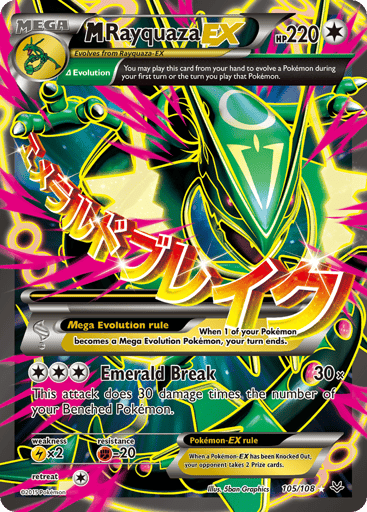
 Rare Ultra
M Rayquaza-EX
$544.27
Odds not measured
XY series
Every card in Roaring Skies with today's market price, the chase cards, and where the set sits in its series.
$544.27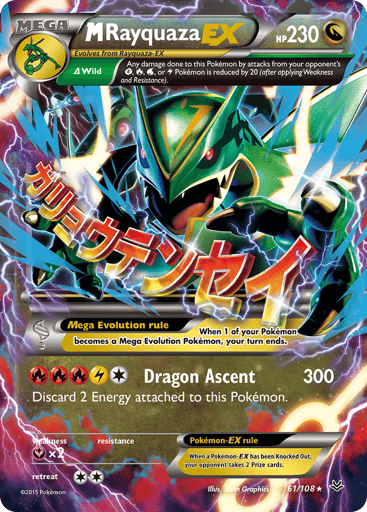 $160.99
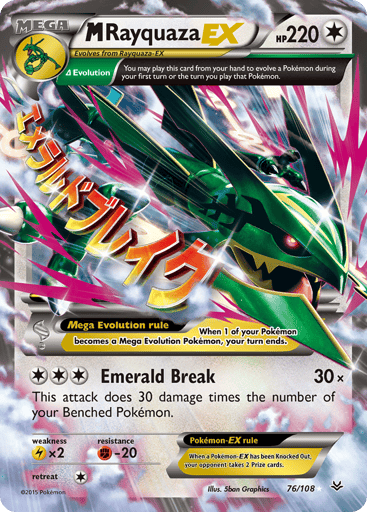 $108.76
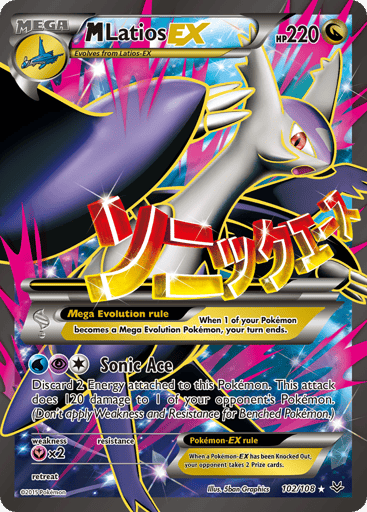 $101.89
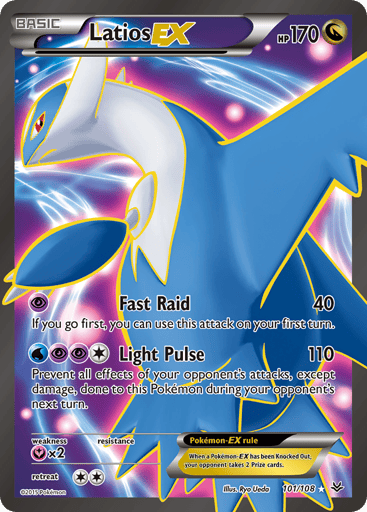 $67.23
Roaring Skies is a main set in the Pokémon TCG XY series, released May 6, 2015. It has 112 cards (set code ROS): 108 in the main set plus 4 numbered past 108, the secret rares and subset cards. It's the 9th of 16 XY sets in release order. One copy of every card costs about $1,485 at today's TCGplayer market prices. The most valuable is M Rayquaza-EX (#105) at $544.27.
Today's TCGplayer market price for the set's priciest cards.
Rare Ultra$544.27
Odds not measured
Rare Holo EX$160.99
Odds not measured
Rare Holo EX$108.76
Odds not measured
Rare Ultra$101.89
Odds not measured
Rare Ultra$67.23
Odds not measured
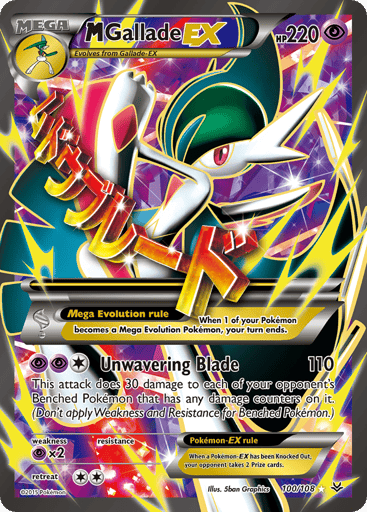 Rare Ultra
$52.46
Odds not measured
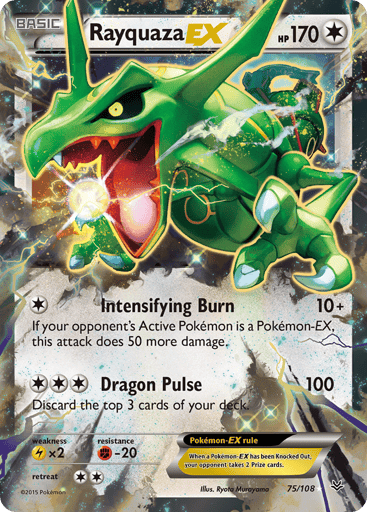 Rare Holo EX
$42.54
Odds not measured
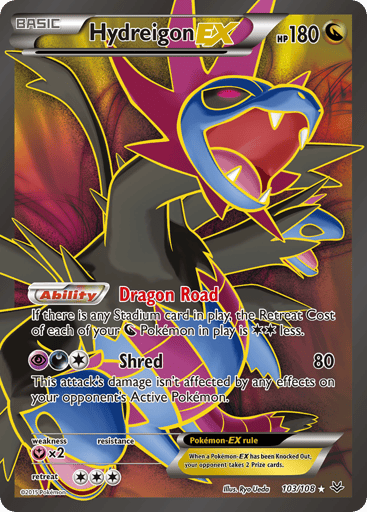 Rare Ultra
$38.47
Odds not measured
 Rare Ultra
$37.18
Odds not measured
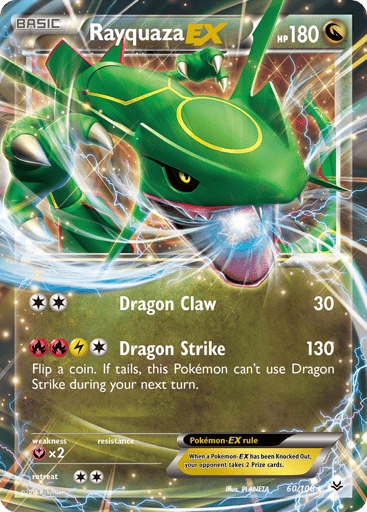 Rare Holo EX
$29.62
Odds not measured
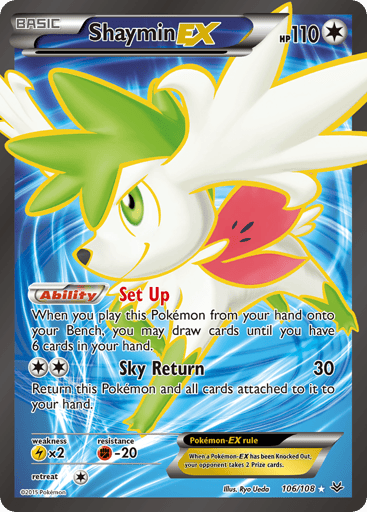 Rare Ultra
$27.09
Odds not measured
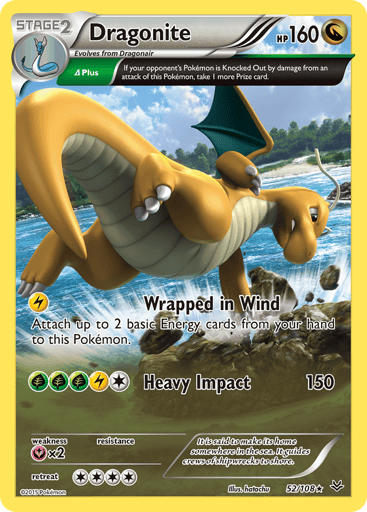 Rare Holo
$25.31
Odds not measured
Prices as of Oct 12, 2026. Card images are shown for identification.
How many cards each rarity has and what they're worth together, most valuable rarity first.
| Rarity | Cards | All together | Top card |
|---|---|---|---|
| Rare Ultra | 11 | $925.64 | M Rayquaza-EX$544.27 |
| Rare Secret | 2 | $44.32 | Energy Switch$25.00 |
| Rare Holo EX | 11 | $415.41 | M Rayquaza-EX$160.99 |
| Rare Holo | 10 | $59.58 | Dragonite$25.31 |
| Rare | 18 | $17.08 | Articuno$3.66 |
| Uncommon | 32 | $14.29 | Double Dragon Energy$3.52 |
| Common | 26 | $8.43 | Pikachu$1.55 |
How Roaring Skies card prices spread out at today's TCGplayer market prices.
The 5 most valuable cards make up 66% of the set's $1,485 value. 15 cards sell for $20 or more, and half sell for $0.42 or less.
| Market price | Cards | All together |
|---|---|---|
| $100 or more | 4 | $915.91 |
| $20 to $100 | 11 | $389.59 |
| $5 to $20 | 8 | $112.81 |
| $1 to $5 | 17 | $44.77 |
| Under $1 | 68 | $21.67 |
We haven't published pull rates for Roaring Skies. We only post odds that trace back to a large, verified pack opening, and we don't have one for this set yet. Card prices above are live either way.
Compare the sets we have measured or see how we verify an opening.
Newest first.